

Populating your HIIVE
Let’s focus on a natural method to attract honeybees to your HIIVE (or hive) - lemon grass!
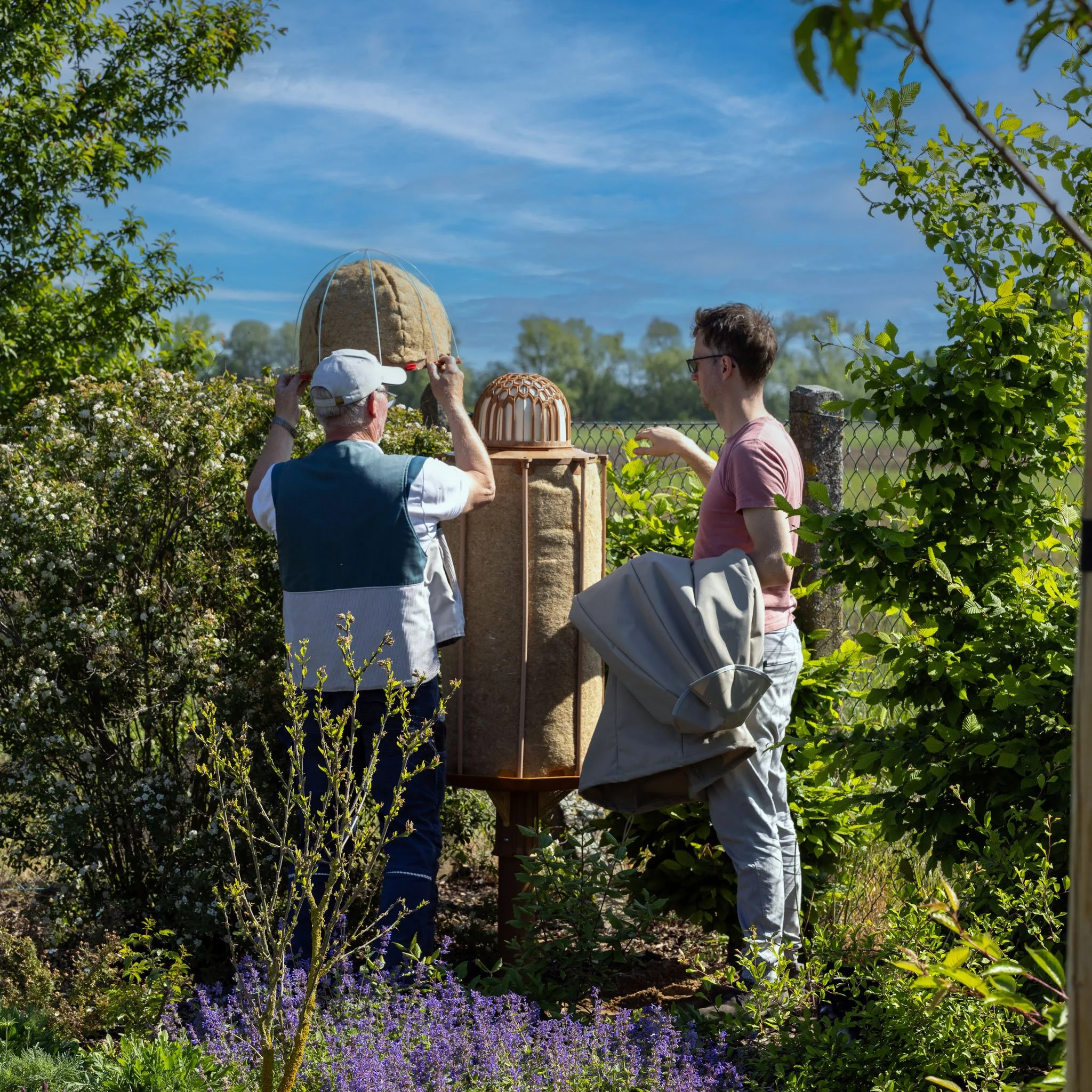
March Apiary & HIIVE Setup Checklist
Here’s a practical, farmer-friendly checklist you can use when preparing an apiary in March and setting up a HIIVE, drawing on common UK beekeeping practice and the design principles promoted by hiive.eu. It stays close to the realities of early-season management, when colonies are waking up and conditions are still unpredictable
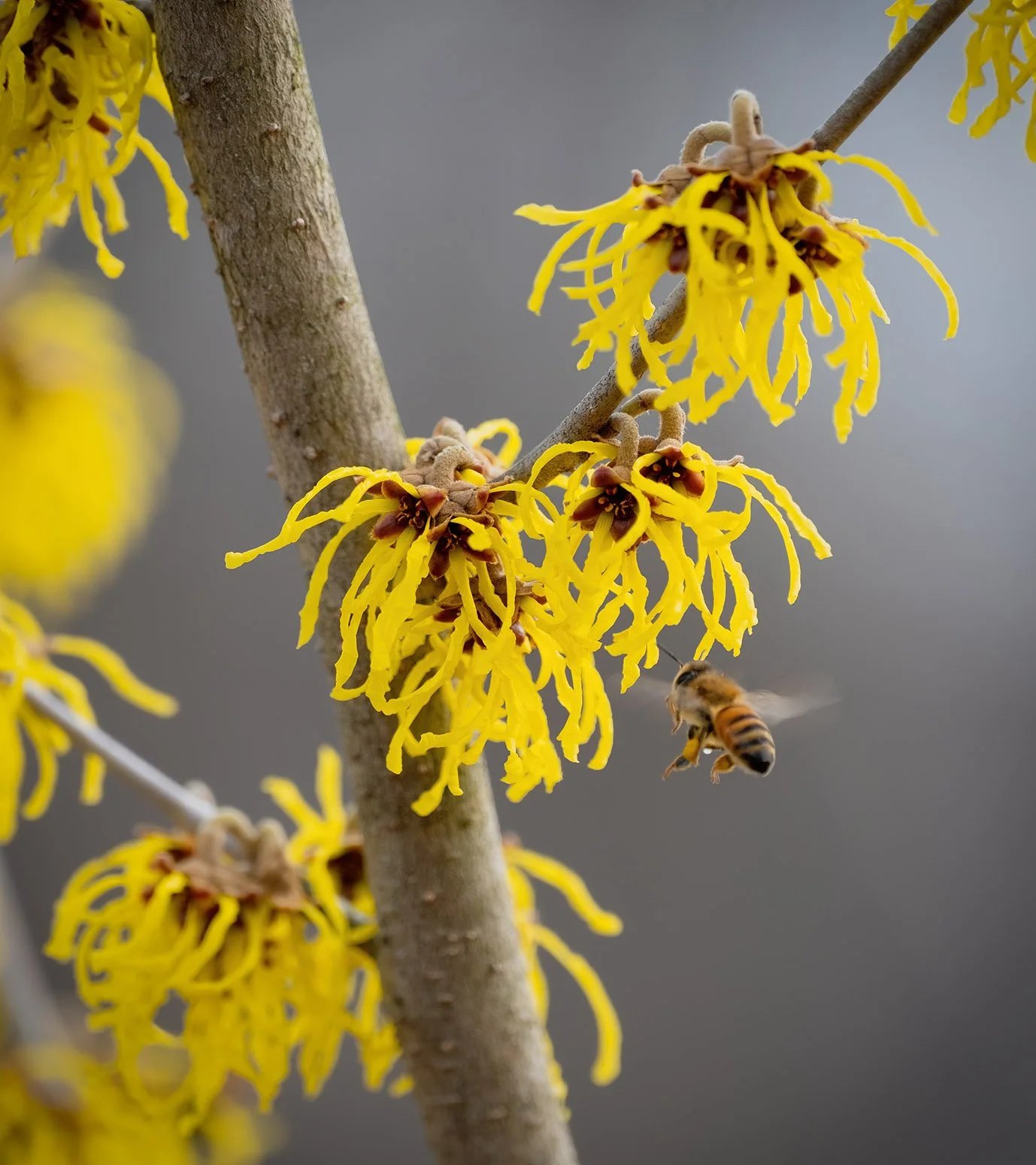
Optimising HIIVE Placement in February
February is a decisive month for honeybee colony survival across the UK, and it is also the ideal time for farmers and land managers to evaluate potential locations for installing HIIVE units ahead of the 2026 season.
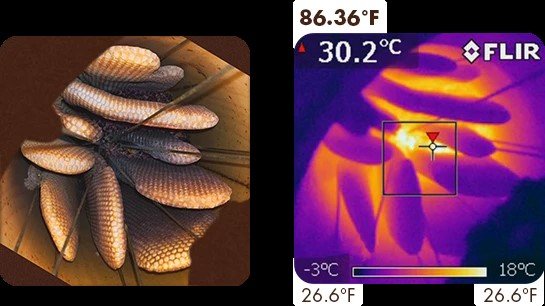
HIIVE: An energy-efficient geometry
The unique cavity of a tree hollow isn’t created by a woodpecker but by a naturally occurring fungus that enters through a broken branch and grows upward with rising moisture.

HIIVE: during the coldest months
During cold months, your HIIVE is engineered to support optimal thermodynamic and hydrodynamic conditions by emulating the insulating properties of natural tree cavities.
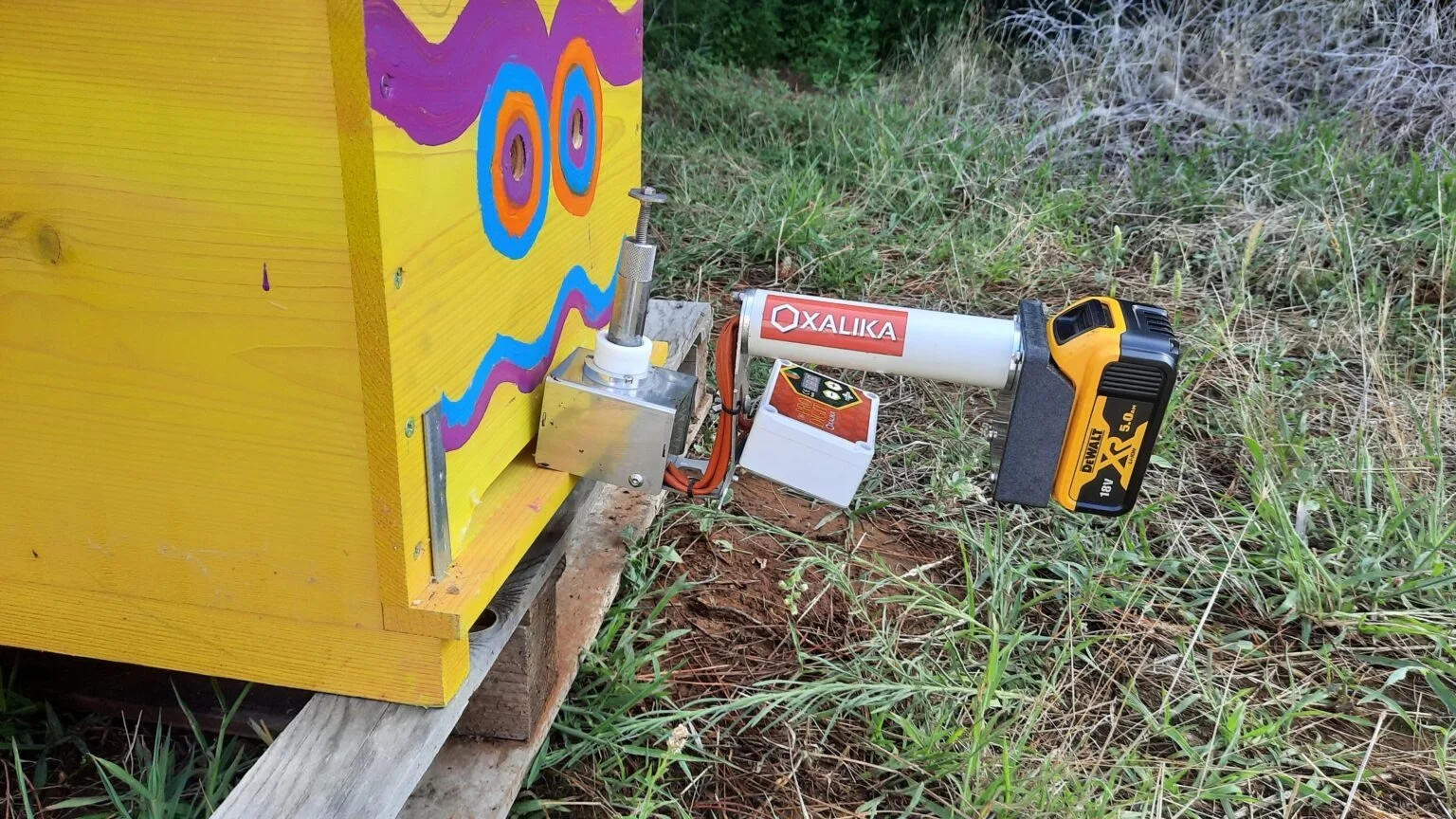
Varroa management
Last month we talked briefly about varroa mites, their impact on honeybee colonies, and treatment options using Oxalic Acid.
October in your HIIVE
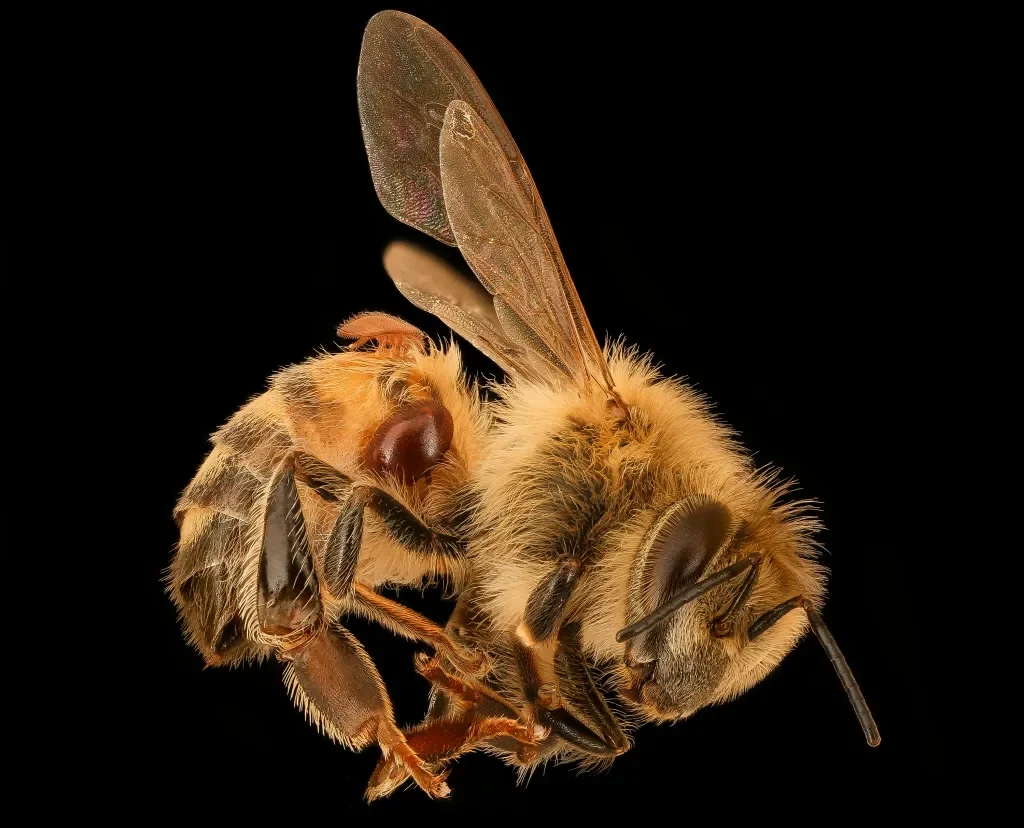
October in your HIIVEOctober is a turning point for bee colonies as they prepare for winter, and Varroa destructor mites pose a heightened threat during this time
Want Honeybees in Your Orchard?
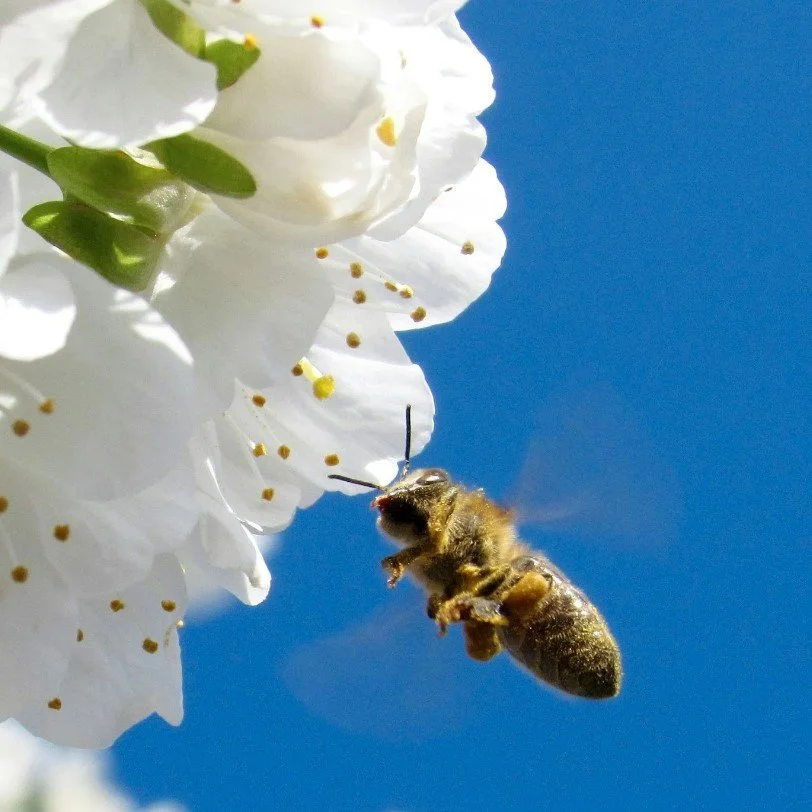
Whilst UK research (Free, 1970) shows the importance of bees for pollination, research elsewhere has often questioned this.
September is a key month for colonies
September marks the gentle shift from summer into autumn, and natural beekeepers / HIIVE stewards take on a supportive role as their colonies prepare for colder months