October in your HIIVE
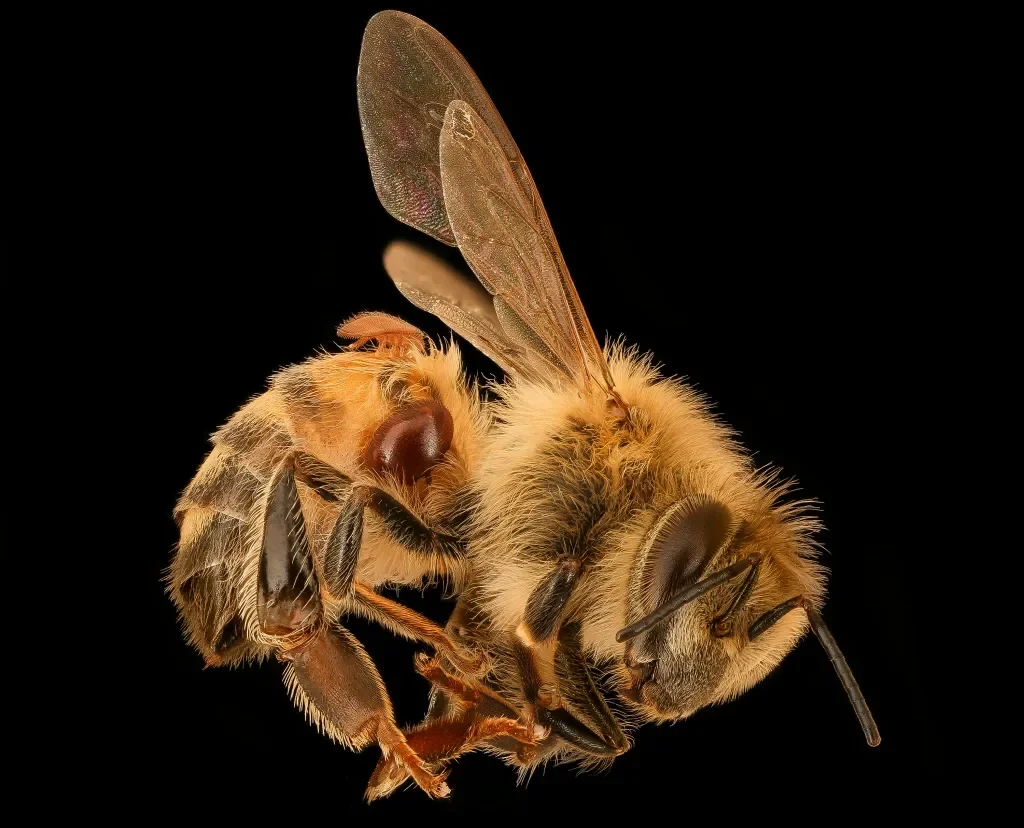
October is a turning point for bee colonies as they prepare for winter, and Varroa destructor mites pose a heightened threat during this time. With brood production slowing, mites concentrate in the remaining cells, parasitizing developing bees that are vital for overwintering. These winter bees are meant to live longer and sustain the colony through cold months—but varroa mites compromise their health by feeding on fat bodies and transmitting viruses like deformed wing virus (DWV).
In HIIVE managed colonies, bee stewards often conduct mite counts in early autumn and treat with oxalic acid if thresholds are exceeded. The use of oxalic acid, an organic chemical, is is most effective at targeting phoretic mites without harming brood, and poses little to no risk of contaminating winter stores.
Unchecked mite loads can lead to dwindling populations, poor thermoregulation, and eventual colony collapse. Colonies with high mite infestations often fail to survive winter, making October a last chance for intervention. Integrated pest management (IPM) strategies—monitoring, biotechnical controls, and selective treatment—are essential.
Ultimately, October is not just about winding down the season; it’s about securing the colony’s future. Healthy winter bees mean a strong start in spring, and that hinges on controlling varroa now.