What's Inside?
Every tube contains 20 seed balls, each packed with wildlife-friendly wildflower seeds (see below for plant details). These make for lovely gardening gifts, bee gifts or eco friendly stocking fillers, and will work well in window boxes, balcony pots, garden beds and wildlife gardens.
One tube of seed balls will cover 1 square metre in a garden bed or 3-5 medium sized pots (leave at least 10cm between each ball). Best scattered in Spring or Autumn.
Cornflower (Centaurea cyanus)
Common Poppy (Papaver rhoeas)
A bright red flowering annual - hugely popular and often used as a symbol of remembrance
Height: 30-60cm
Flowers: May to July
The remembrance poppy is the common field poppy, one of the first wildflowers to colonise disturbed ground or fallow cornfields. It became identified with the battle zones of the First World War, or Flanders Fields, which were originally corn fields
Oxeye Daisy (Leucanthemum vulgare)
Red Campion (Silene dioica)
A perennial with rose pink petals
Height: 20-60cm
Flowers: March to November
Silenus the merry god of the woodlands in Greek mythology, gave his name to Silene dioica. The second part of its scientific name, dioica, means 'two houses', and refers to the fact that each Red Campion plant has flowers of one sex only, so that two plants are needed to make seeds
Forget-me-not (Myosotis arvensis)
Short annual with blue-grey flowers occasionally interspersed with pink flowers
Height: 10-40cm
Flowers: April to October
Forget me nots have been used in the past for their astringent properties. The name Myosotis is derivation of the Latin and Greek for mouse and ears
What's Inside?
Every tube contains 20 seed balls, each packed with wildlife-friendly wildflower seeds (see below for plant details). These make for lovely gardening gifts, bee gifts or eco friendly stocking fillers, and will work well in window boxes, balcony pots, garden beds and wildlife gardens.
One tube of seed balls will cover 1 square metre in a garden bed or 3-5 medium sized pots (leave at least 10cm between each ball). Best scattered in Spring or Autumn.
Cornflower (Centaurea cyanus)
Common Poppy (Papaver rhoeas)
A bright red flowering annual - hugely popular and often used as a symbol of remembrance
Height: 30-60cm
Flowers: May to July
The remembrance poppy is the common field poppy, one of the first wildflowers to colonise disturbed ground or fallow cornfields. It became identified with the battle zones of the First World War, or Flanders Fields, which were originally corn fields
Oxeye Daisy (Leucanthemum vulgare)
Red Campion (Silene dioica)
A perennial with rose pink petals
Height: 20-60cm
Flowers: March to November
Silenus the merry god of the woodlands in Greek mythology, gave his name to Silene dioica. The second part of its scientific name, dioica, means 'two houses', and refers to the fact that each Red Campion plant has flowers of one sex only, so that two plants are needed to make seeds
Forget-me-not (Myosotis arvensis)
Short annual with blue-grey flowers occasionally interspersed with pink flowers
Height: 10-40cm
Flowers: April to October
Forget me nots have been used in the past for their astringent properties. The name Myosotis is derivation of the Latin and Greek for mouse and ears

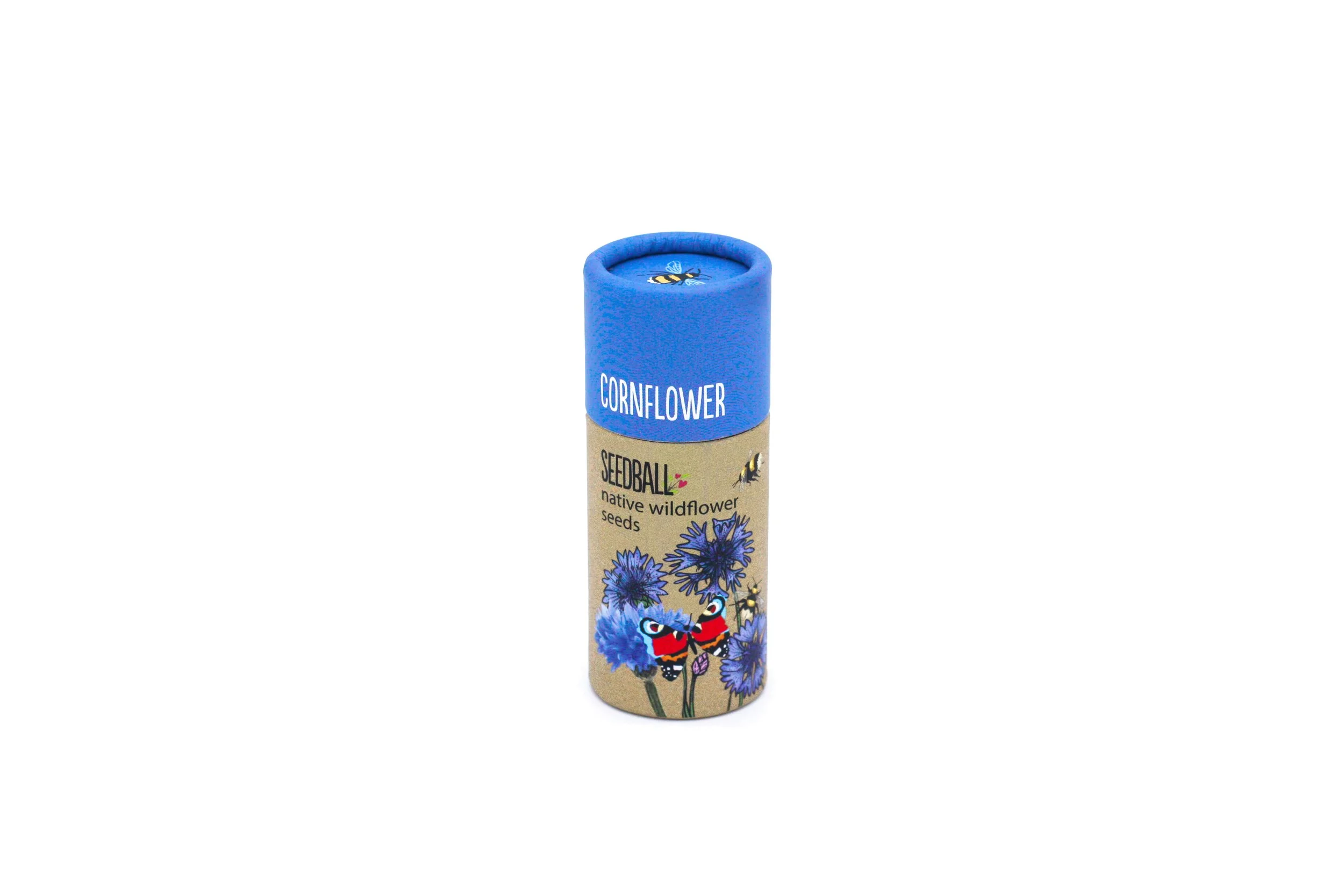 Image 1 of 14
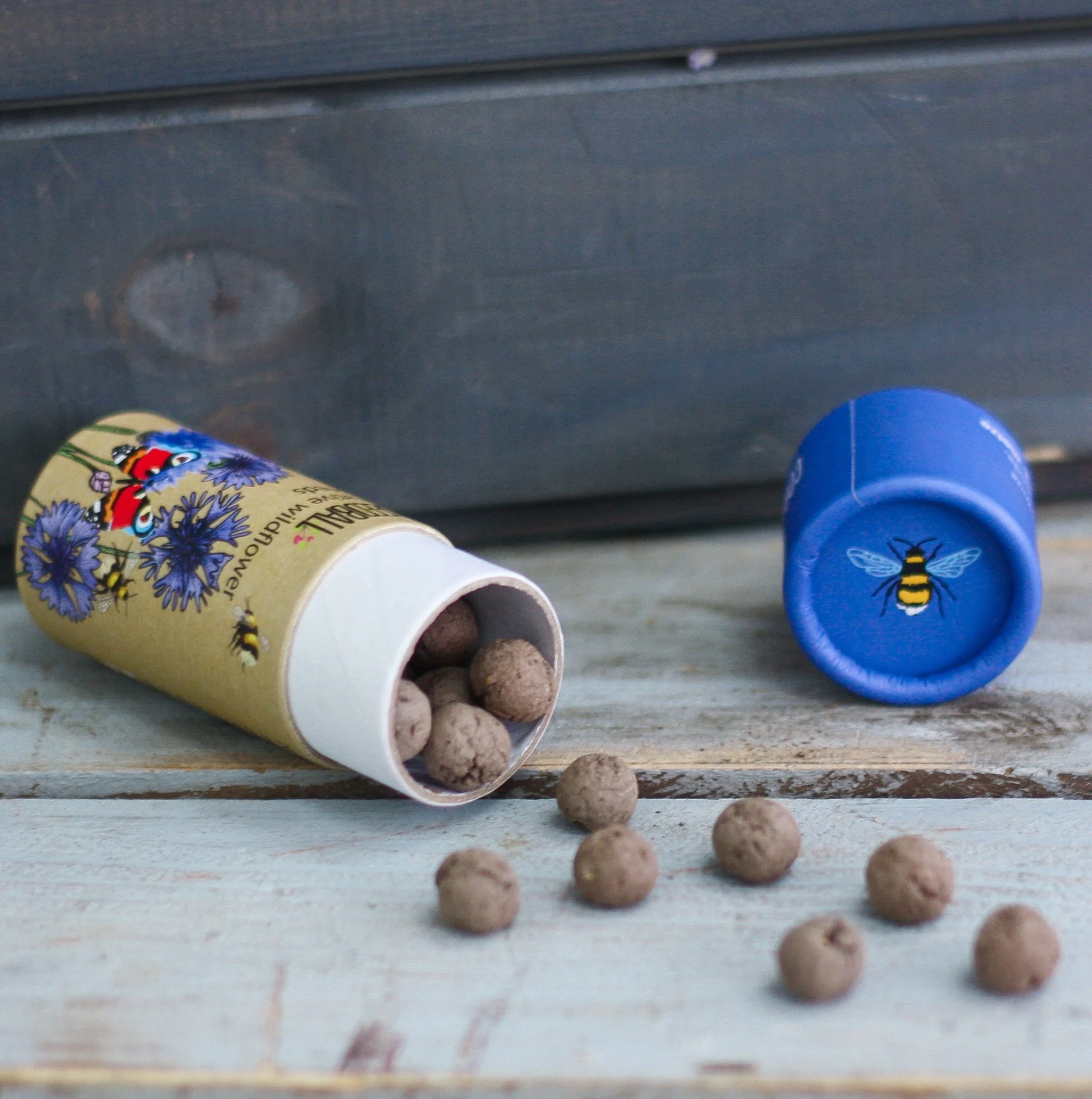 Image 2 of 14
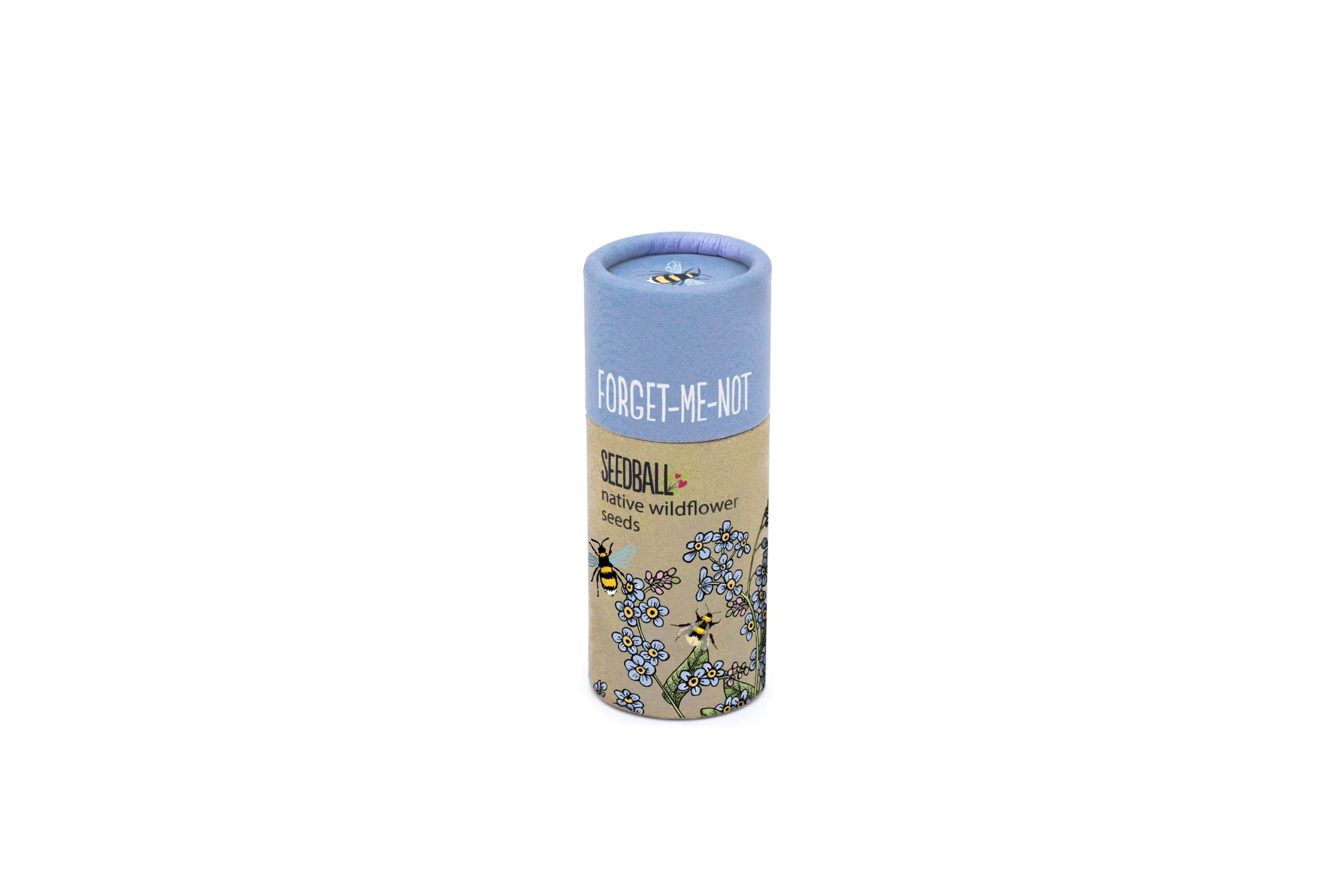 Image 3 of 14
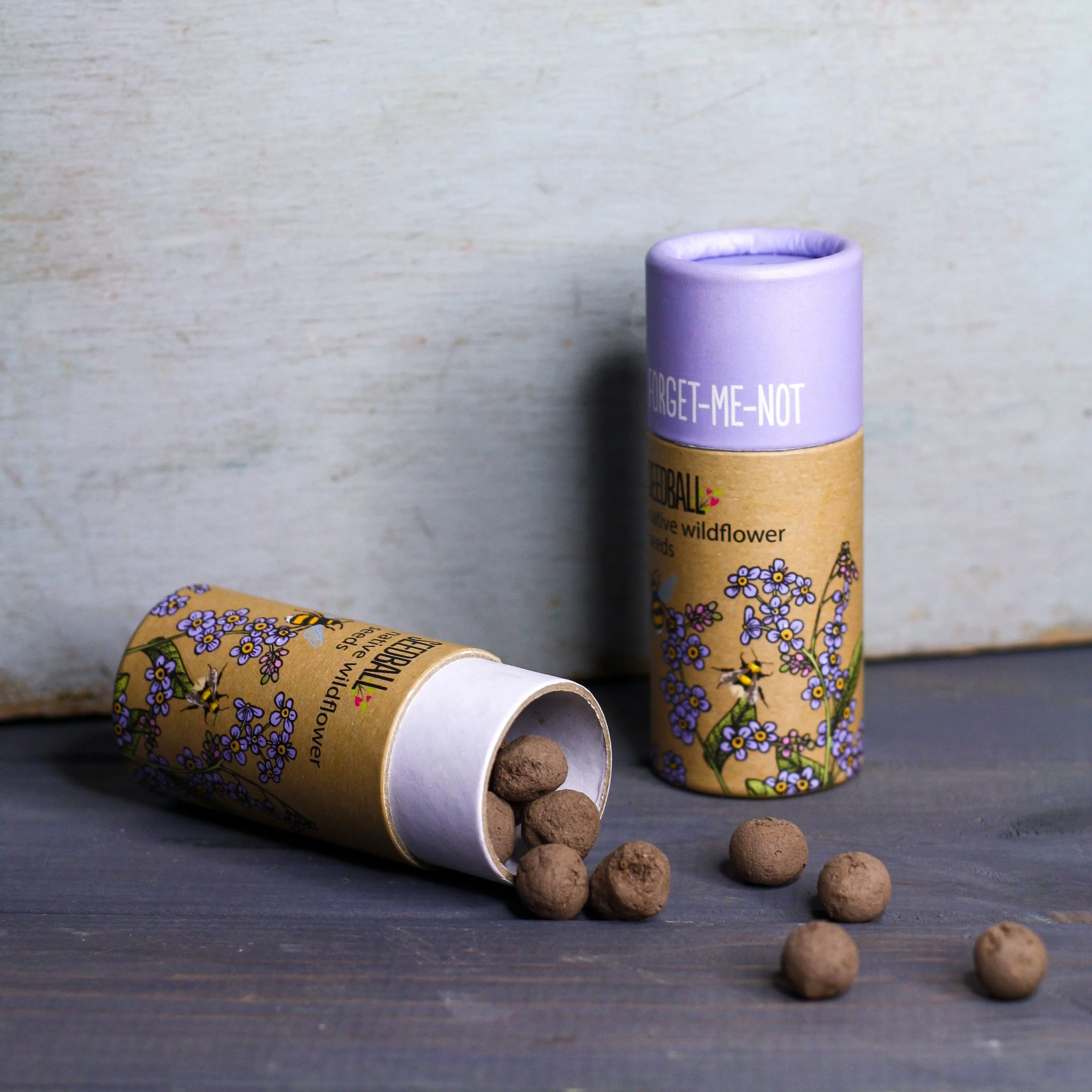 Image 4 of 14
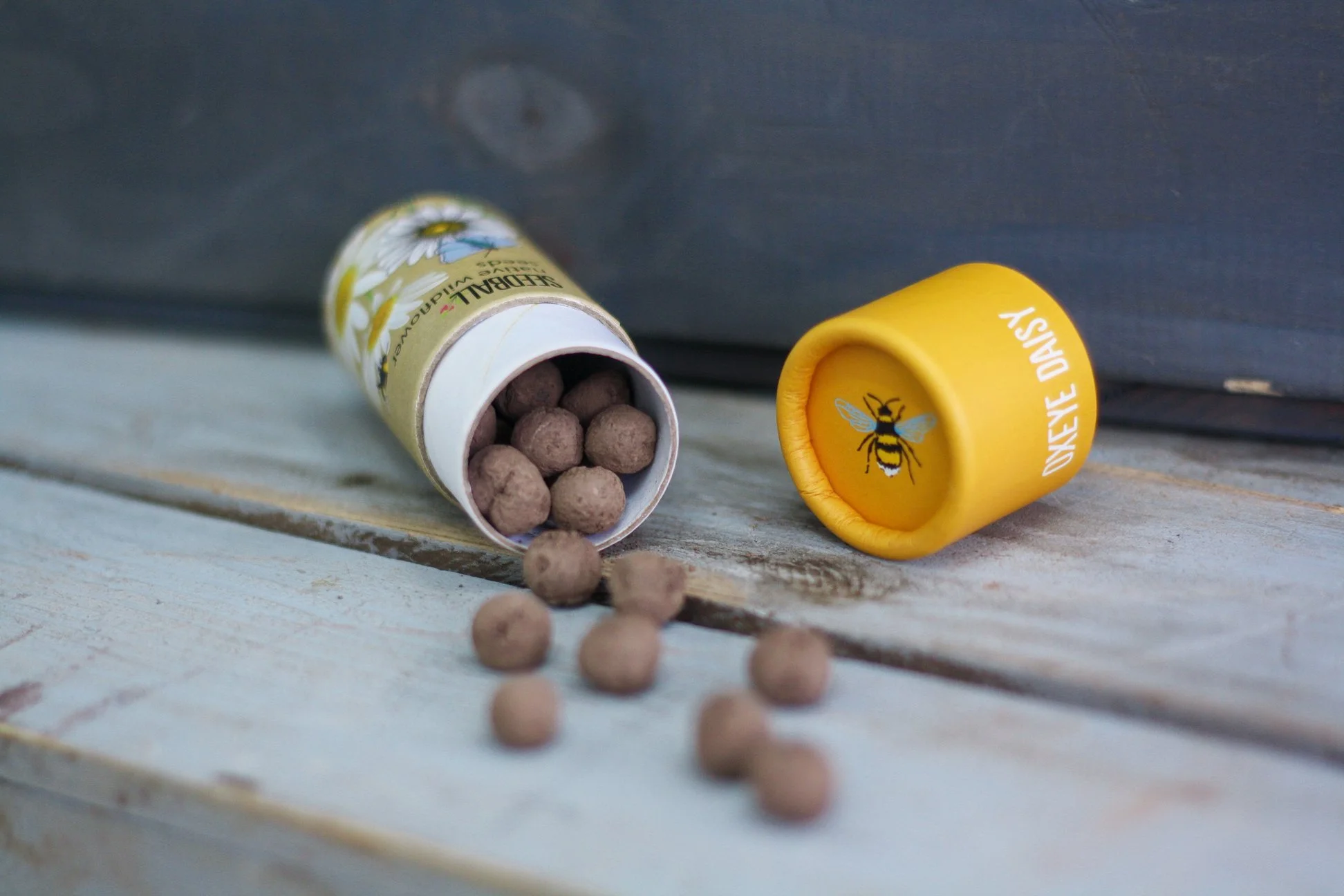 Image 5 of 14
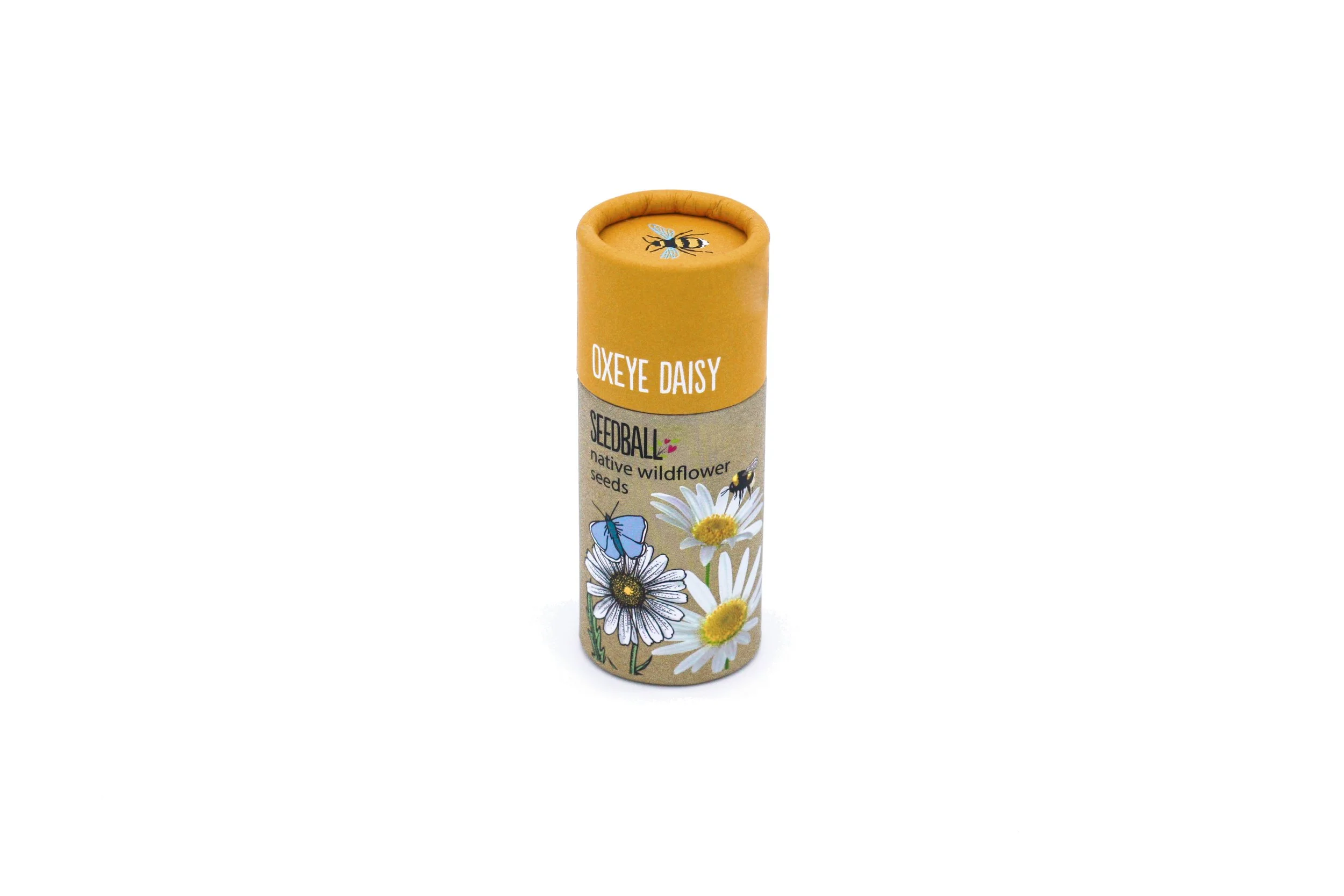 Image 7 of 14
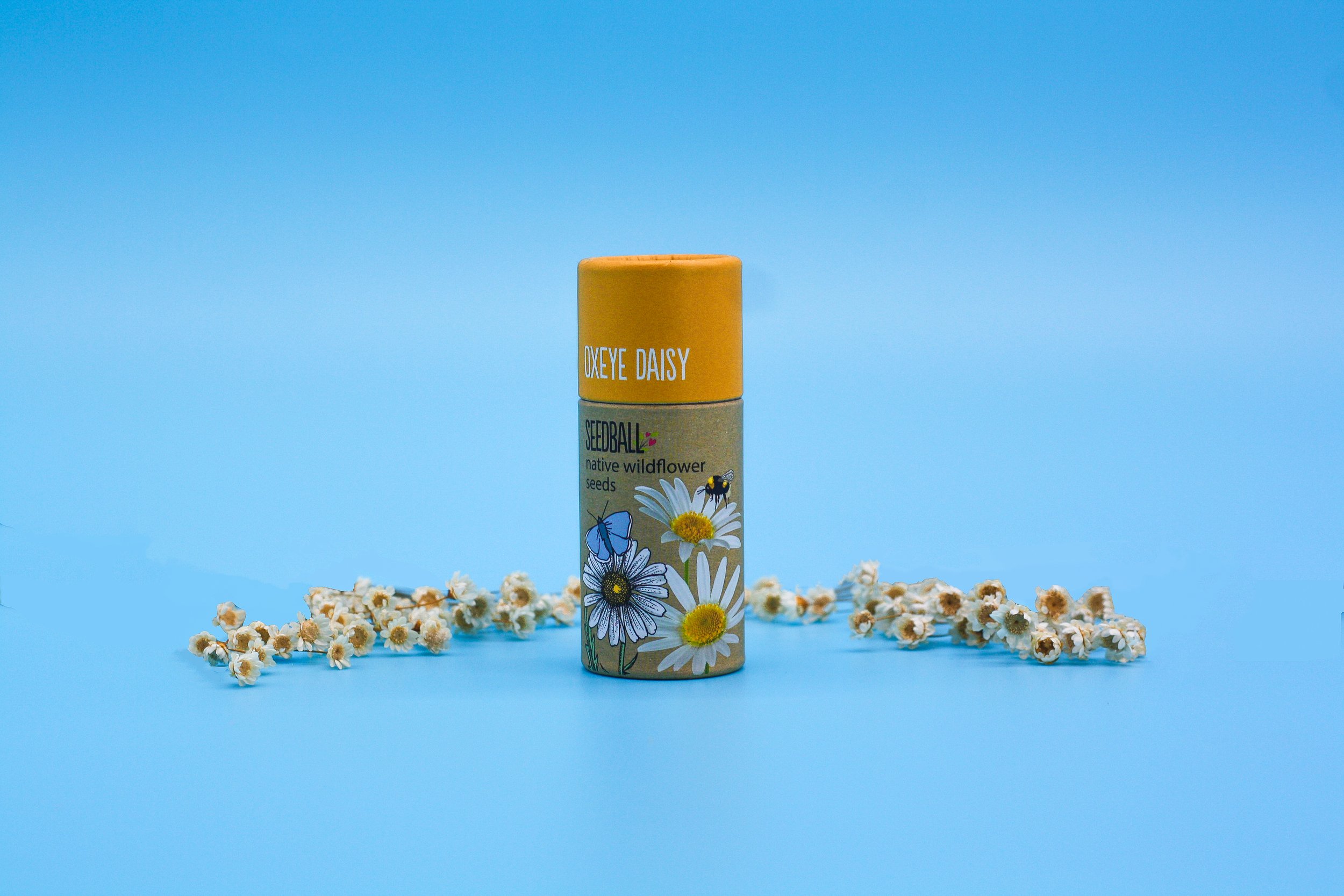 Image 8 of 14
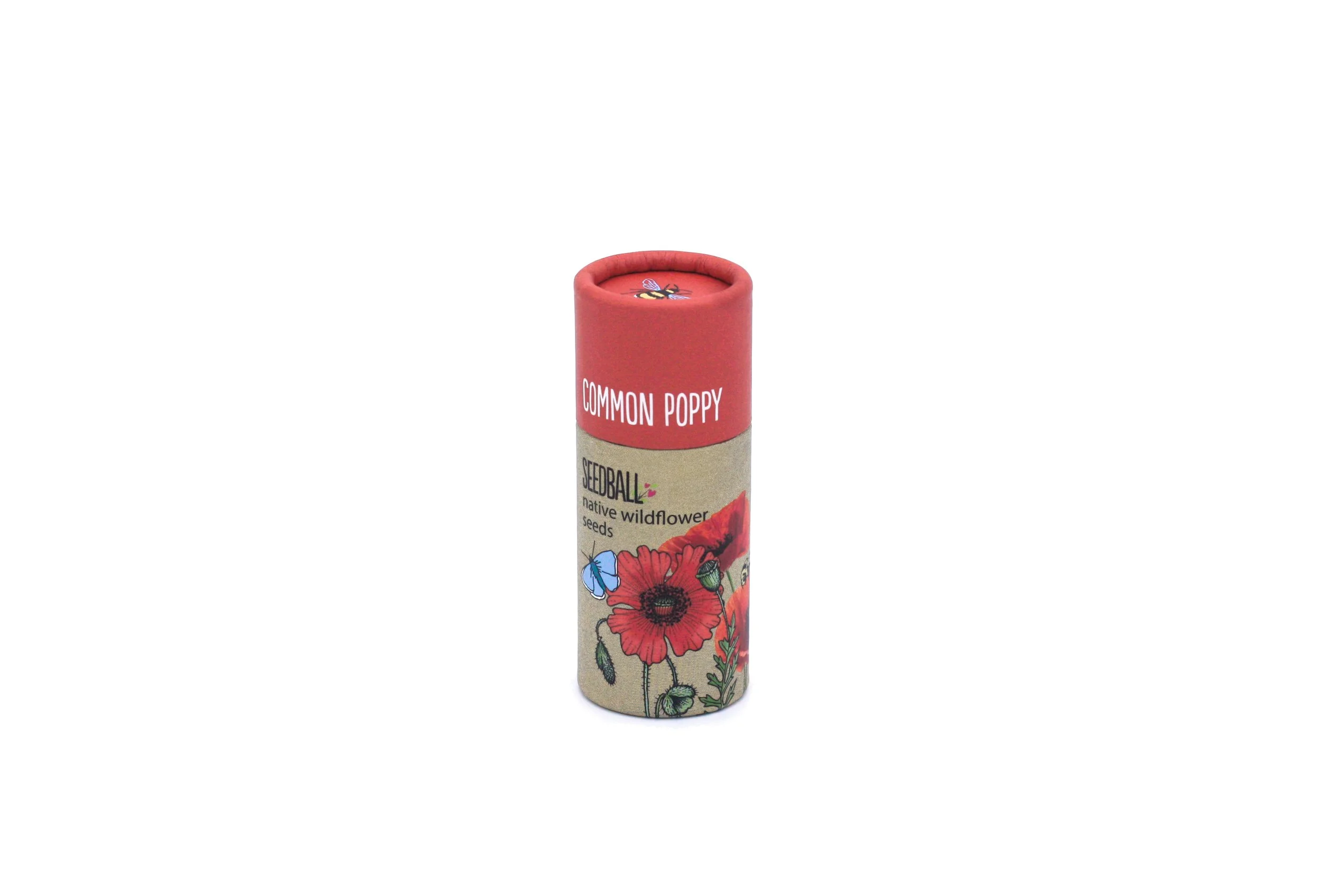 Image 9 of 14
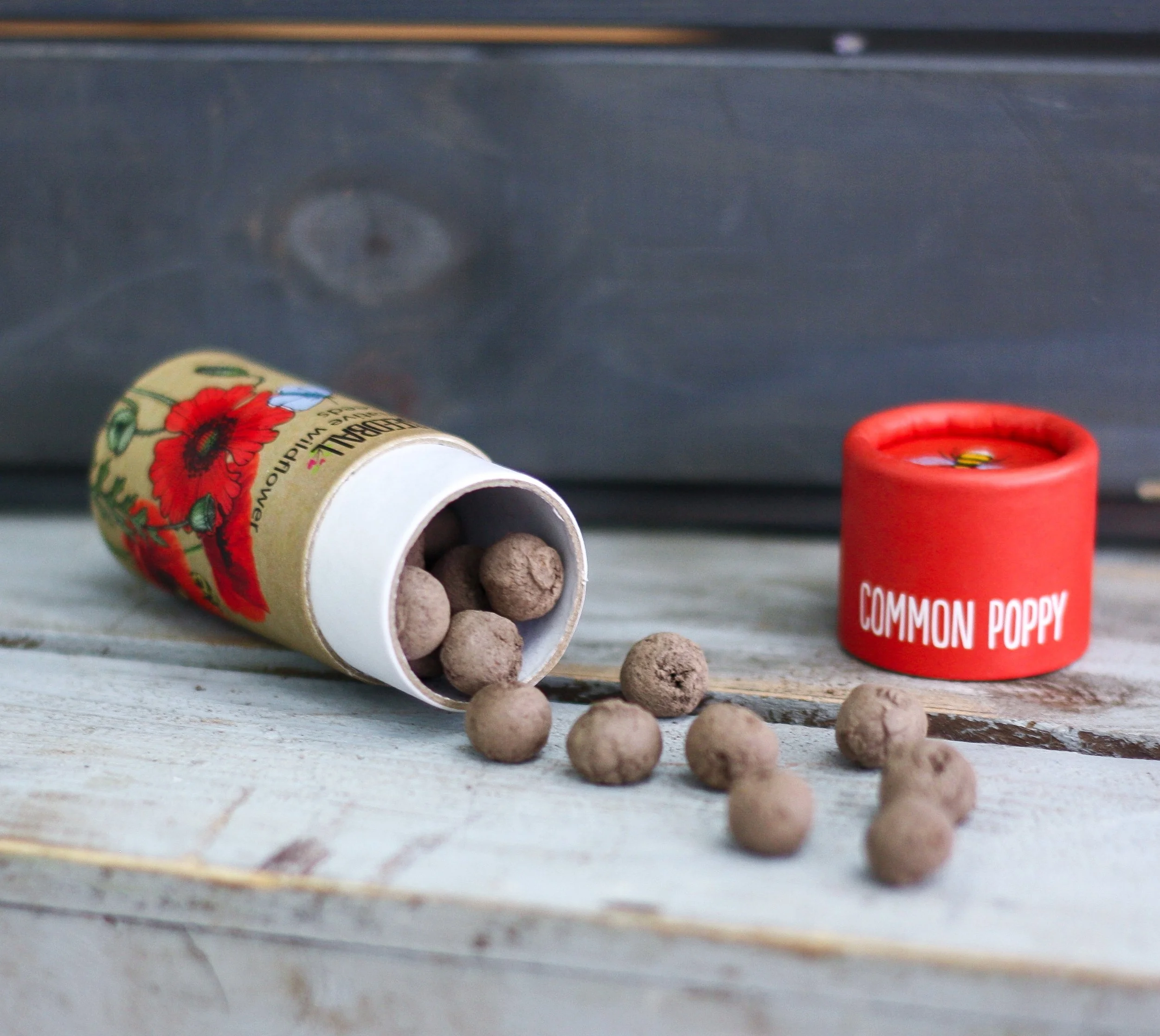 Image 10 of 14
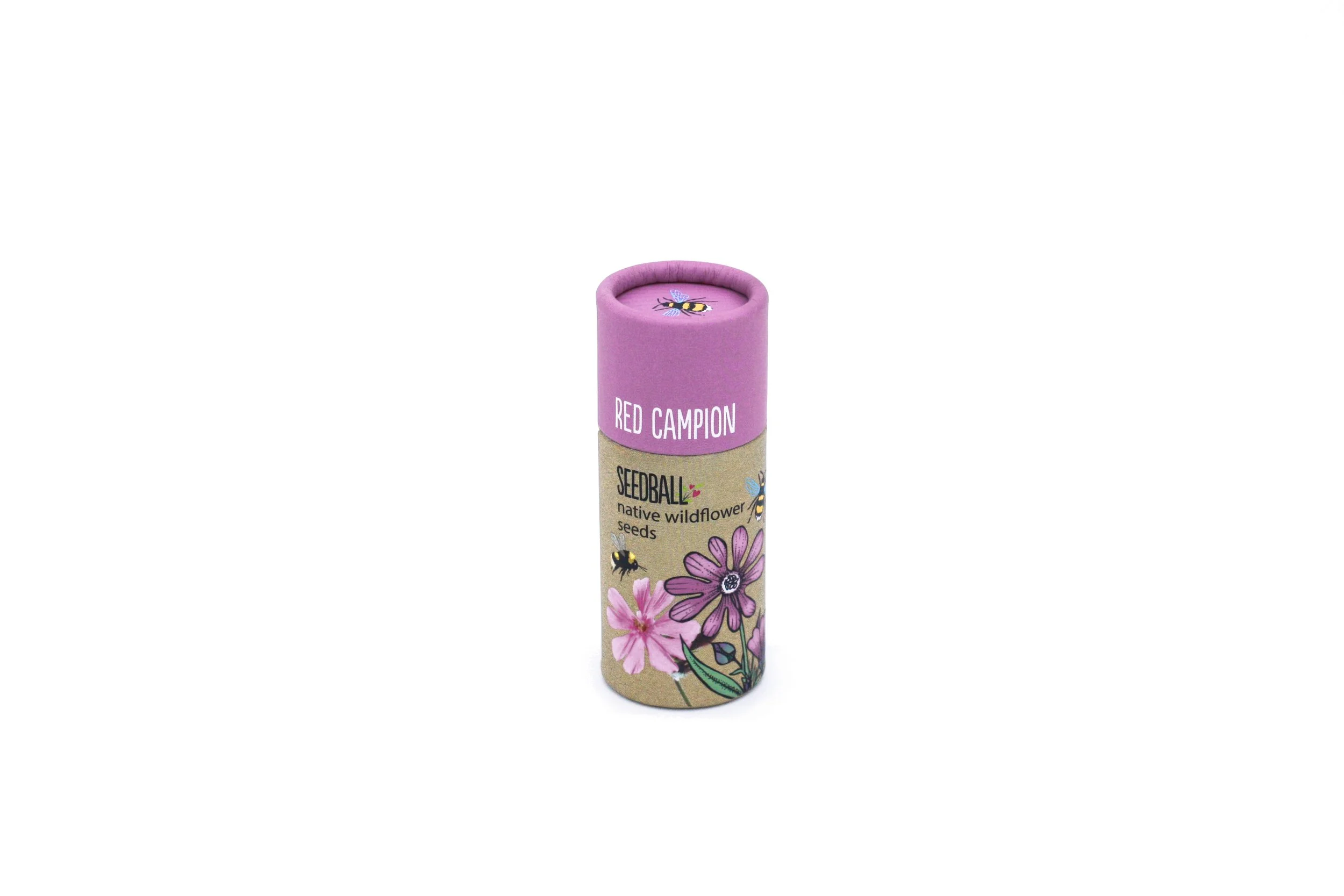 Image 11 of 14
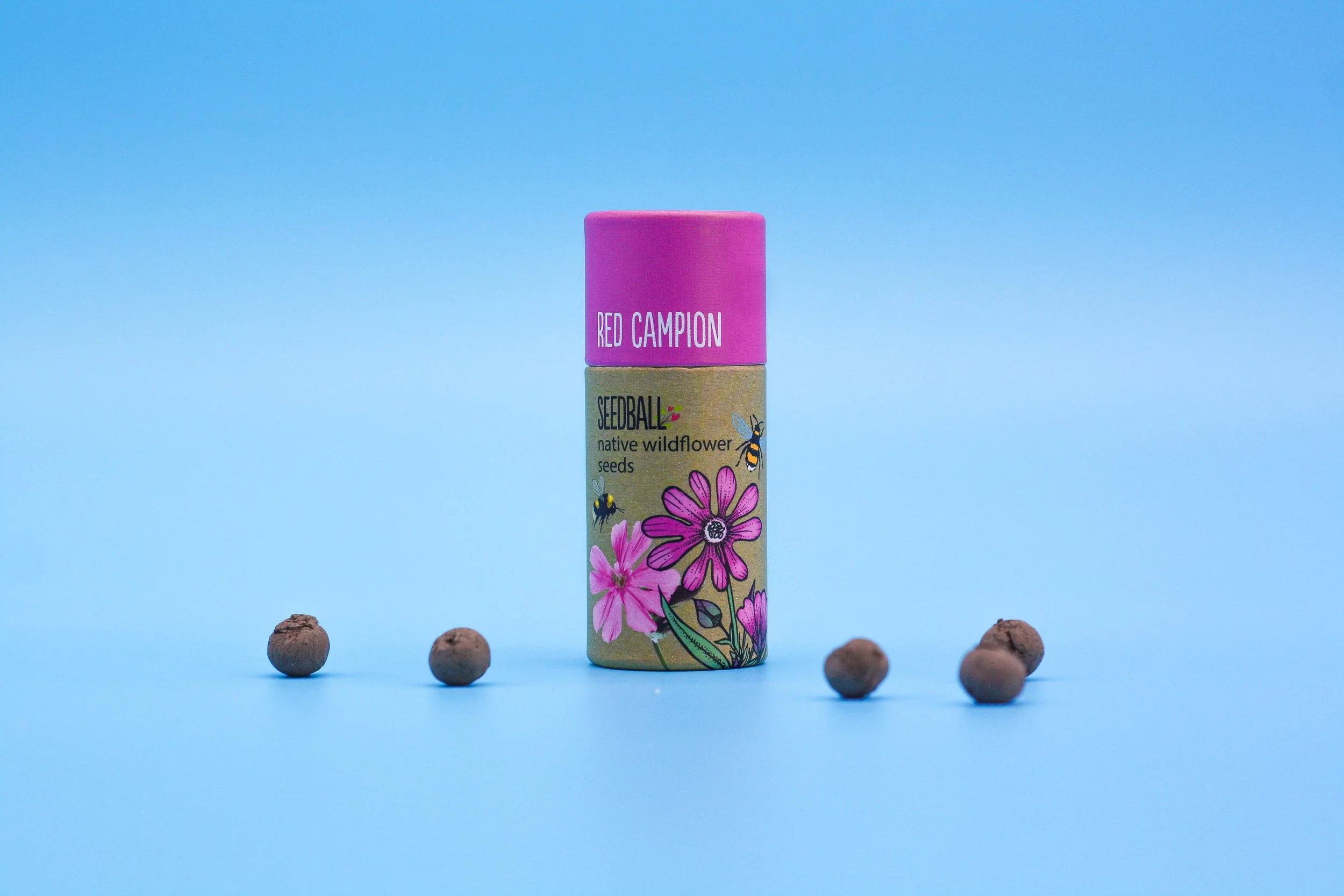 Image 12 of 14
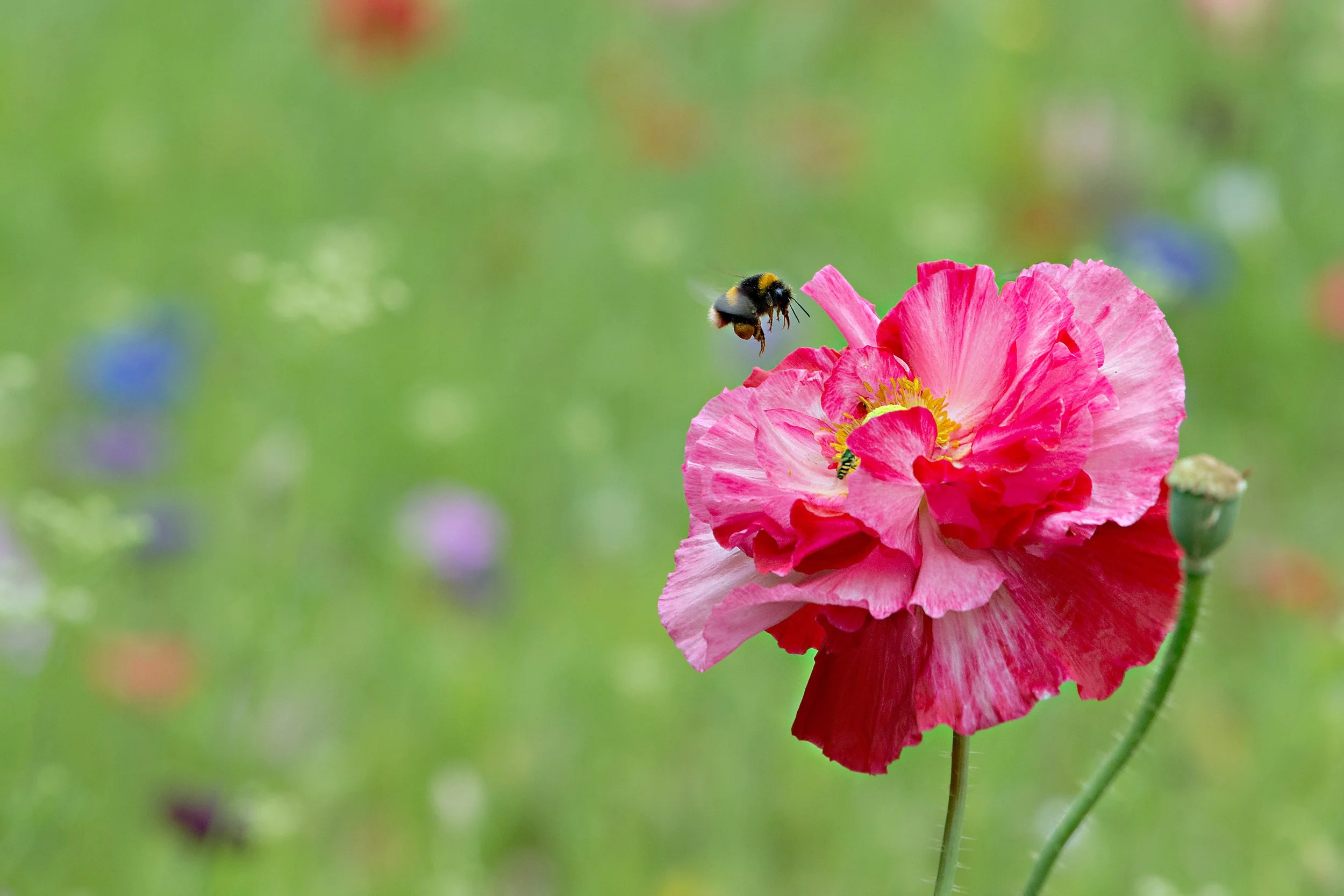 Image 13 of 14
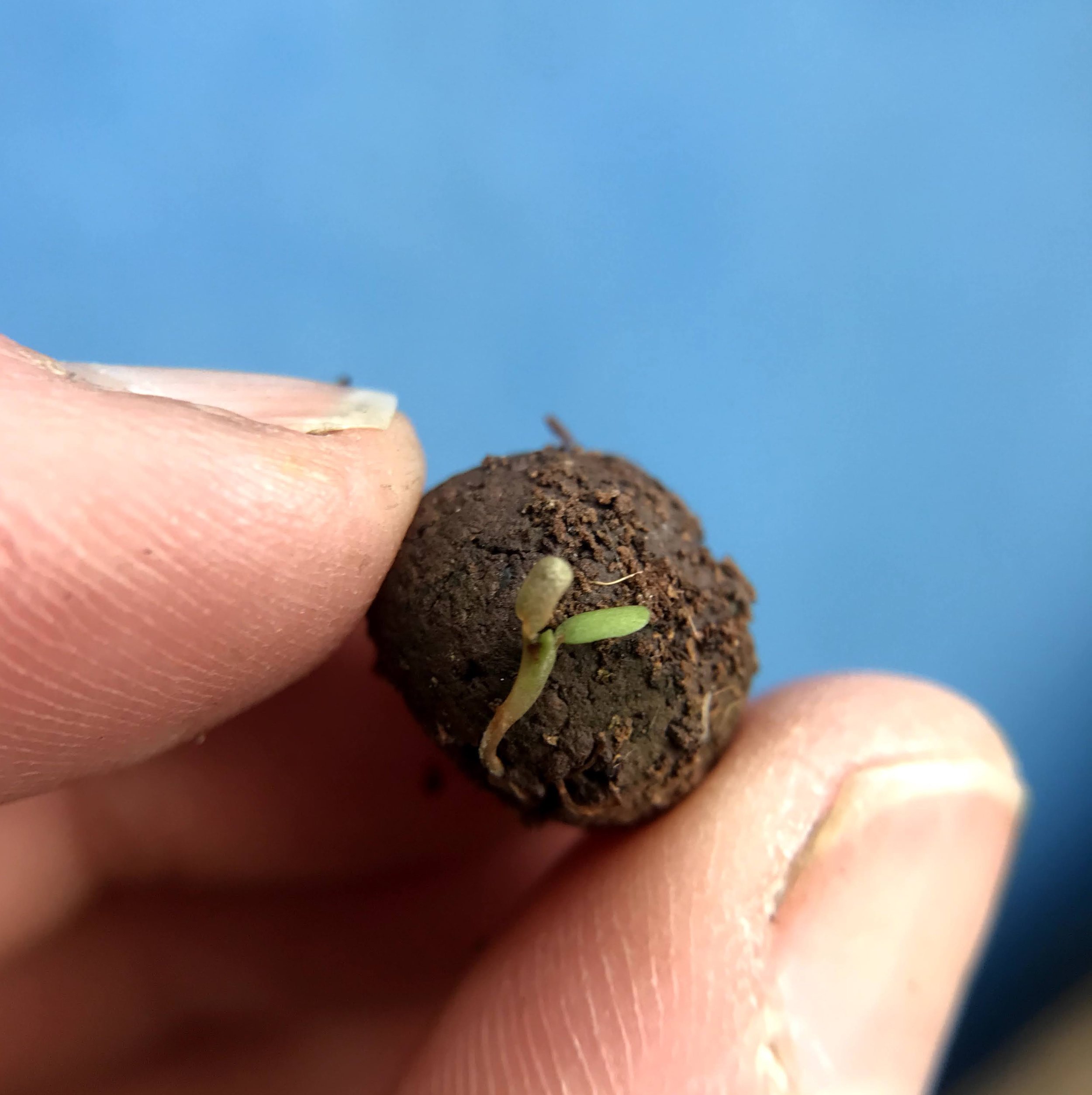 Image 14 of 14