
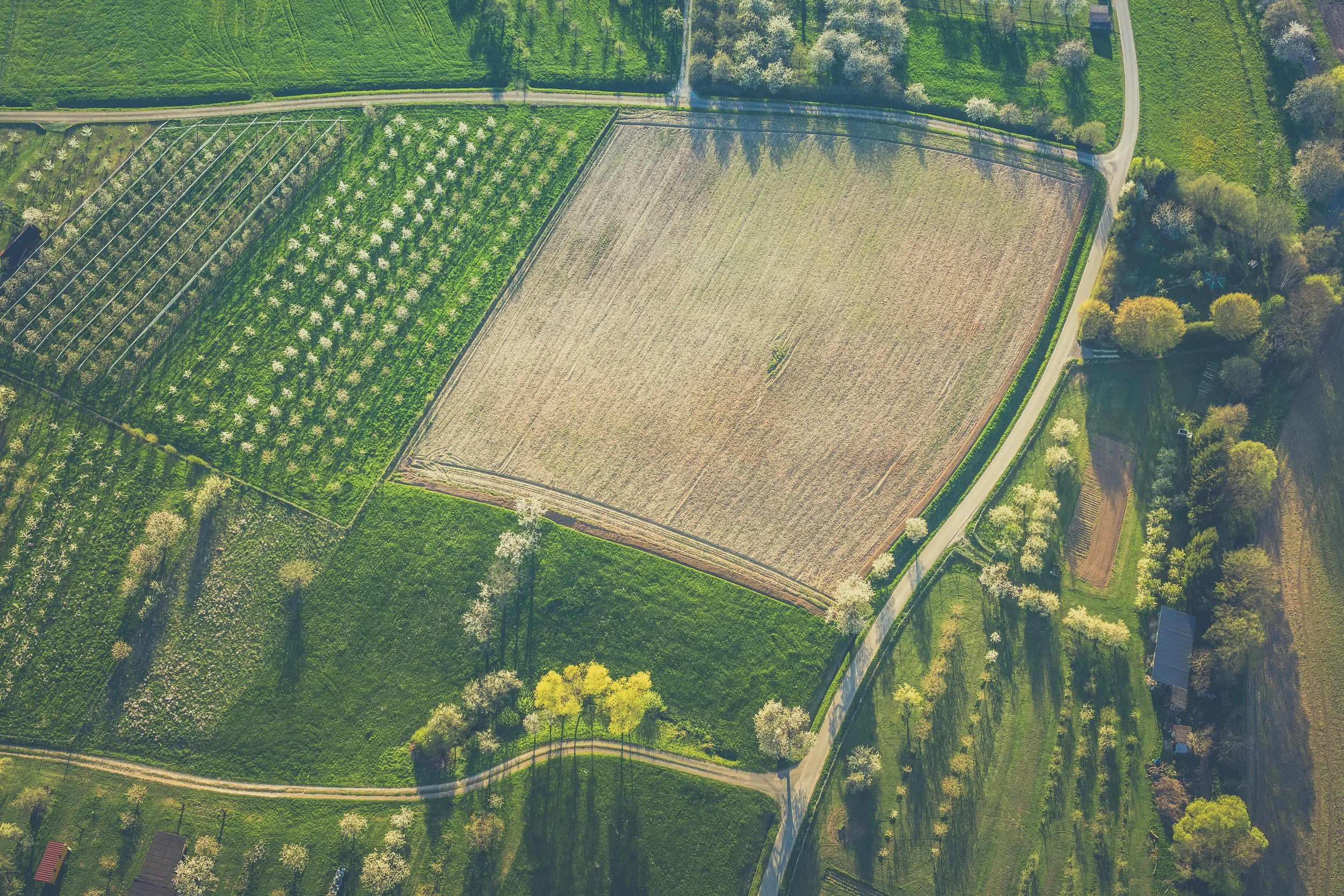
Britain's Pollinator Strategy
Better outcomes for pollinators begin with better conversations.
Bringing together farming experience, scientific expertise and conservation knowledge to develop practical, evidence-led approaches to supporting pollinators across Britain's working landscapes.
Why a Pollinator Strategy?
Every successful farm has a strategy.
Soils, nutrients, crop protection and productivity are all managed through observation, experience and informed decision-making. Yet pollinators, despite their importance to our agricultural landscapes and wider biodiversity, are rarely considered in quite the same way.
Perhaps it's time that changed.
For years, the conversation has focused on saving the bees. While that message has helped raise awareness, supporting resilient pollinator communities requires us to think more broadly.
Honeybees, bumblebees, solitary bees, hoverflies, butterflies, moths, beetles and other insects have different ecological needs. They forage at different times, occupy different habitats and depend on different resources throughout their life cycles.
And every farm is different.
Britain's Pollinator Strategy encourages a more considered approach — one that begins with understanding the landscape, recognising the resources already available and identifying where practical changes could make a meaningful difference.
One size does not fit all
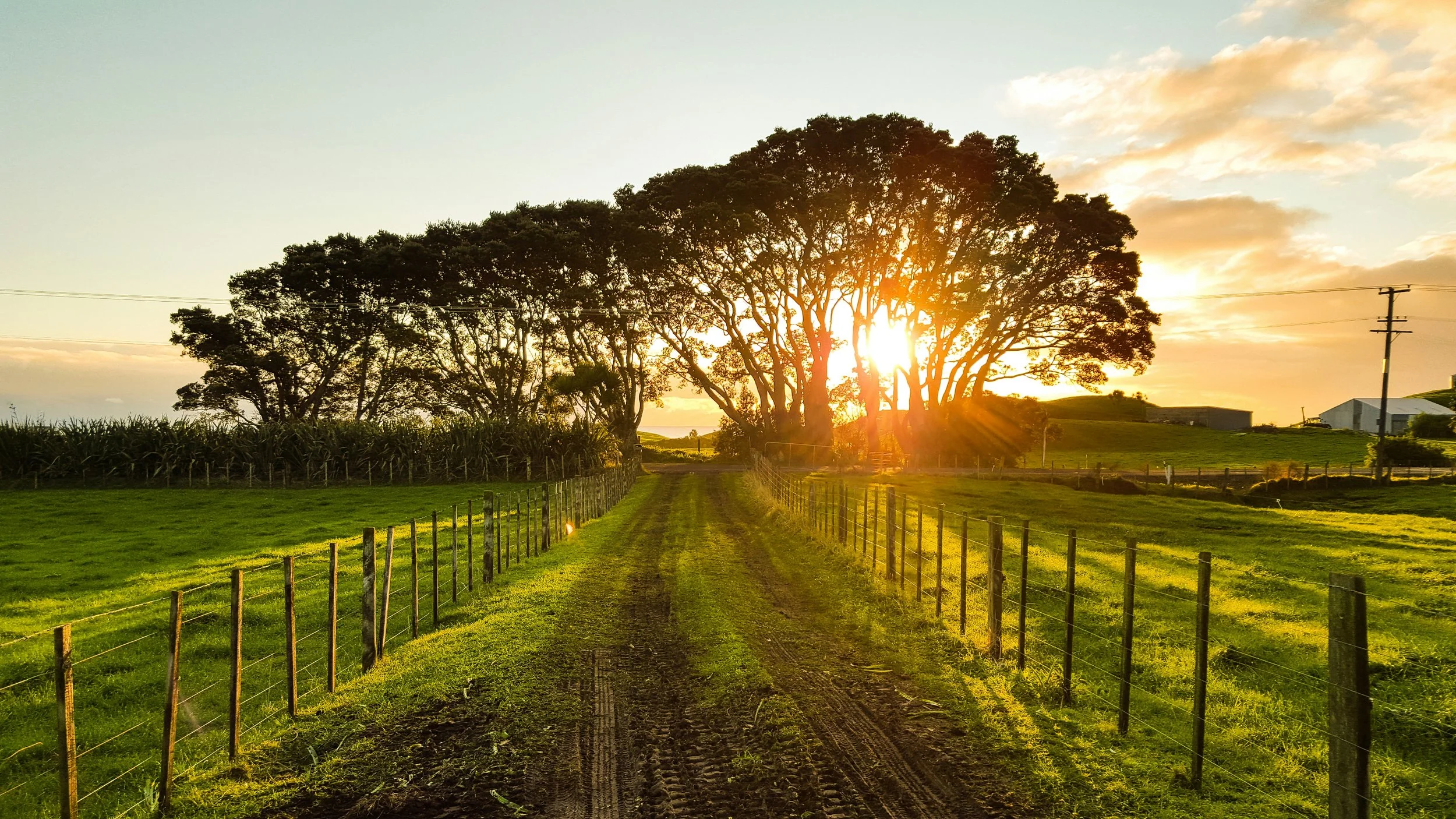
Photo by Werner Sevenster on Unsplash
Provide What's Missing,
Not More of What's There
Supporting pollinators isn't simply about planting more flowers. Different species need different resources, at different times of year, and throughout their life cycles.
Before introducing new habitats, consider what's missing. Is there sufficient forage from early spring through autumn? Are nesting and overwintering opportunities available? Could existing habitats be improved rather than replaced?
Providing the right resources, in the right places, at the right times, can be far more valuable than simply providing more.
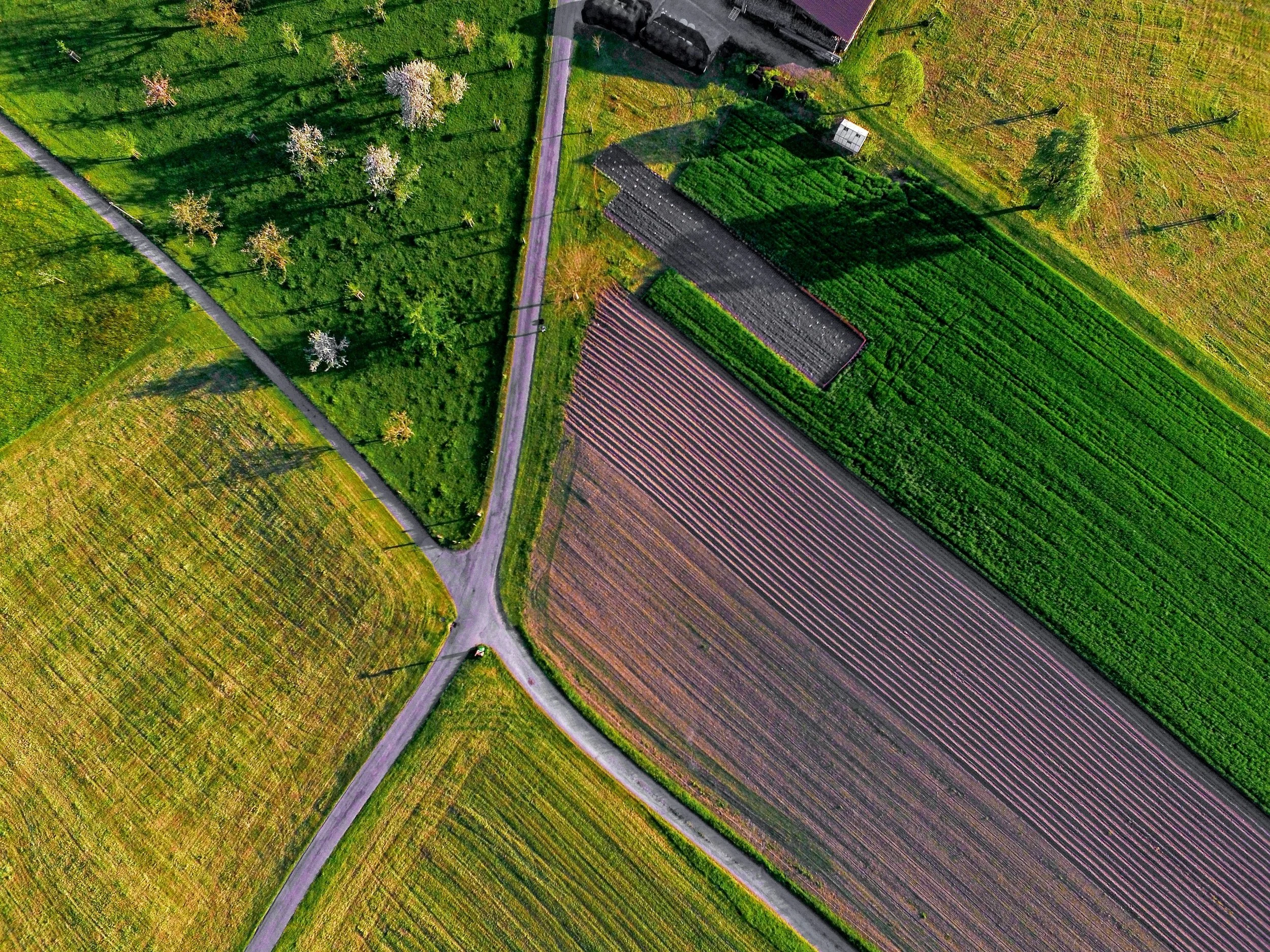
Photo by Ricardo Gomez Angel on Unsplash
Diversify Beyond the Honeybee
A resilient pollinator community depends on diversity — not simply the abundance of any one species.
Honeybees, bumblebees, solitary bees, hoverflies, butterflies, moths and beetles have different ecological requirements and contribute in different ways.
Supporting that diversity means looking beyond individual interventions to the variety of habitats, flowering plants, nesting opportunities and seasonal resources across the landscape.
Our aim should be to create conditions in which a broad range of pollinators can thrive, rather than favouring one at the expense of others.
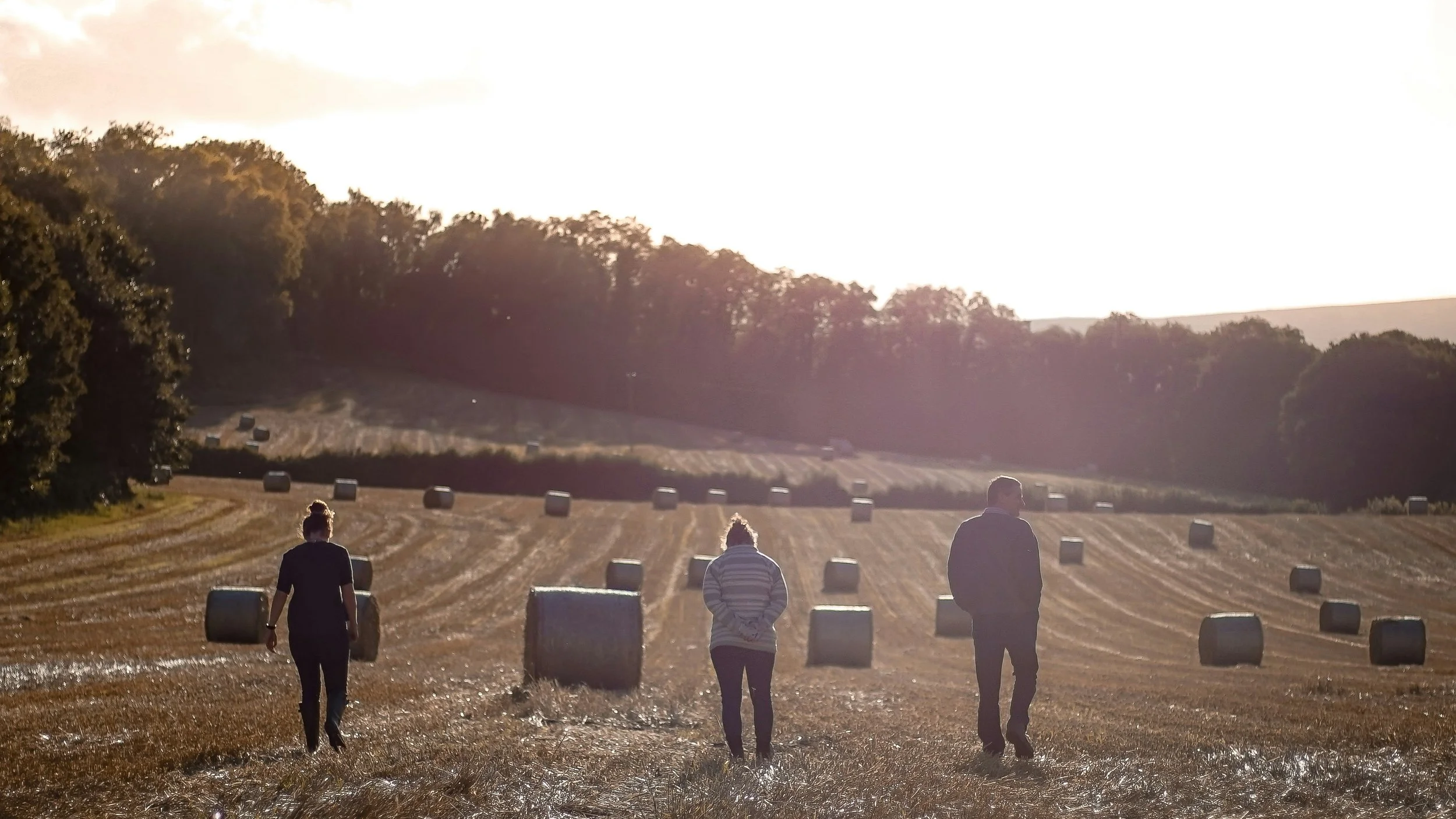
Understand Before You Intervene
Before asking “What should I plant?”, perhaps we should ask “What do I already have?”
Hedgerows, field margins, flowering grassland, ditches, woodland edges, bare ground and uncultivated corners may already provide valuable forage, nesting and overwintering habitat.
The challenge is understanding what these places offer, which pollinators depend upon them and where gaps may exist throughout the year.
We don't need to become entomologists to begin.
A useful first step is simply to:
Walk. Observe. Record. Repeat.
By building an understanding of what is already happening on our land, we can begin making more informed decisions about what, if anything, needs to change.
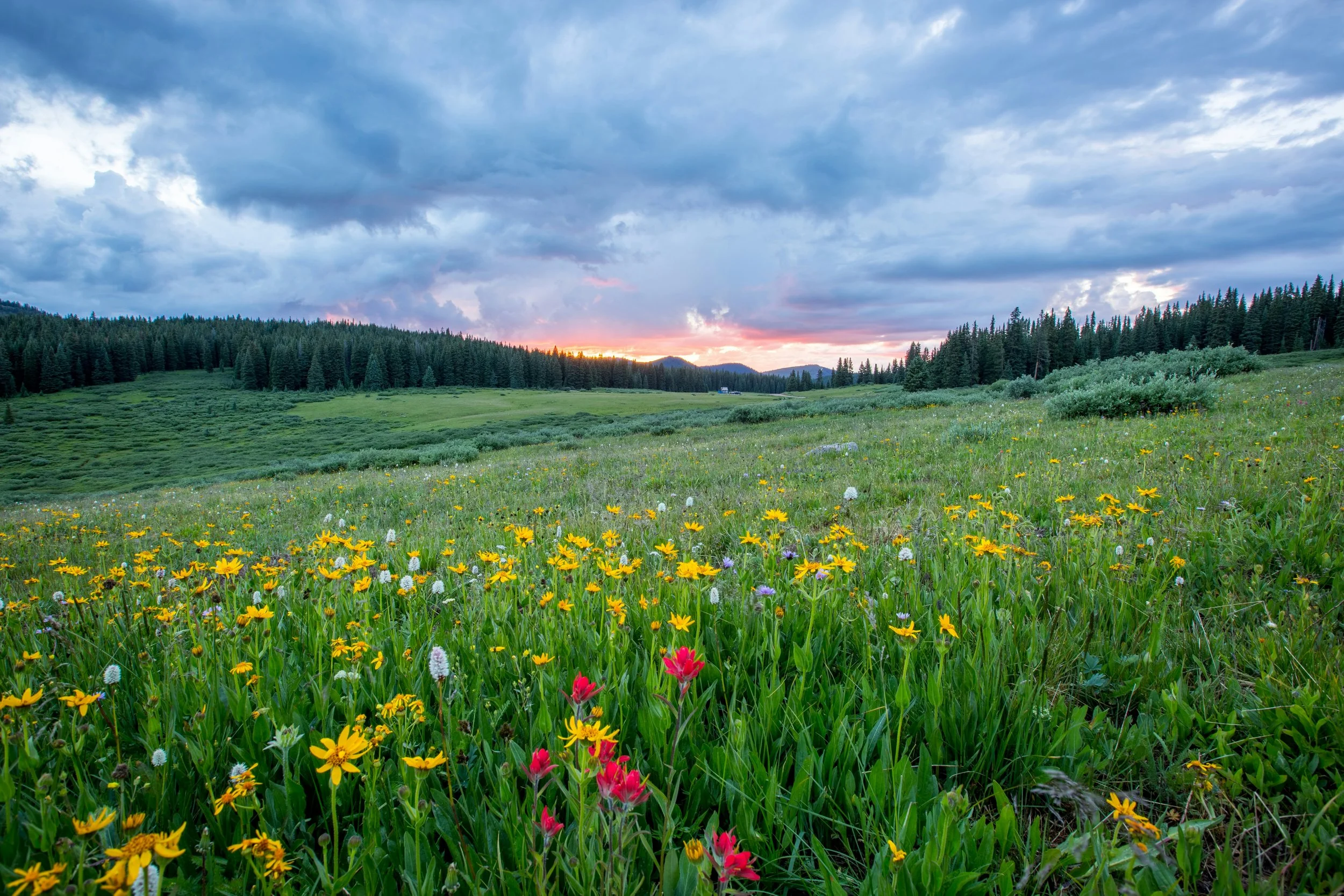
Photo by Joel Holland on Unsplash
Integrate Pollinators into Everyday Farming
Supporting pollinators isn't simply about planting more flowers. Different species need different resources, at different times of year, and throughout their life cycles.
Before introducing new habitats, consider what's missing. Is there sufficient forage from early spring through autumn? Are nesting and overwintering opportunities available? Could existing habitats be improved rather than replaced?
Providing the right resources, in the right places, at the right times, can be far more valuable than simply providing more.
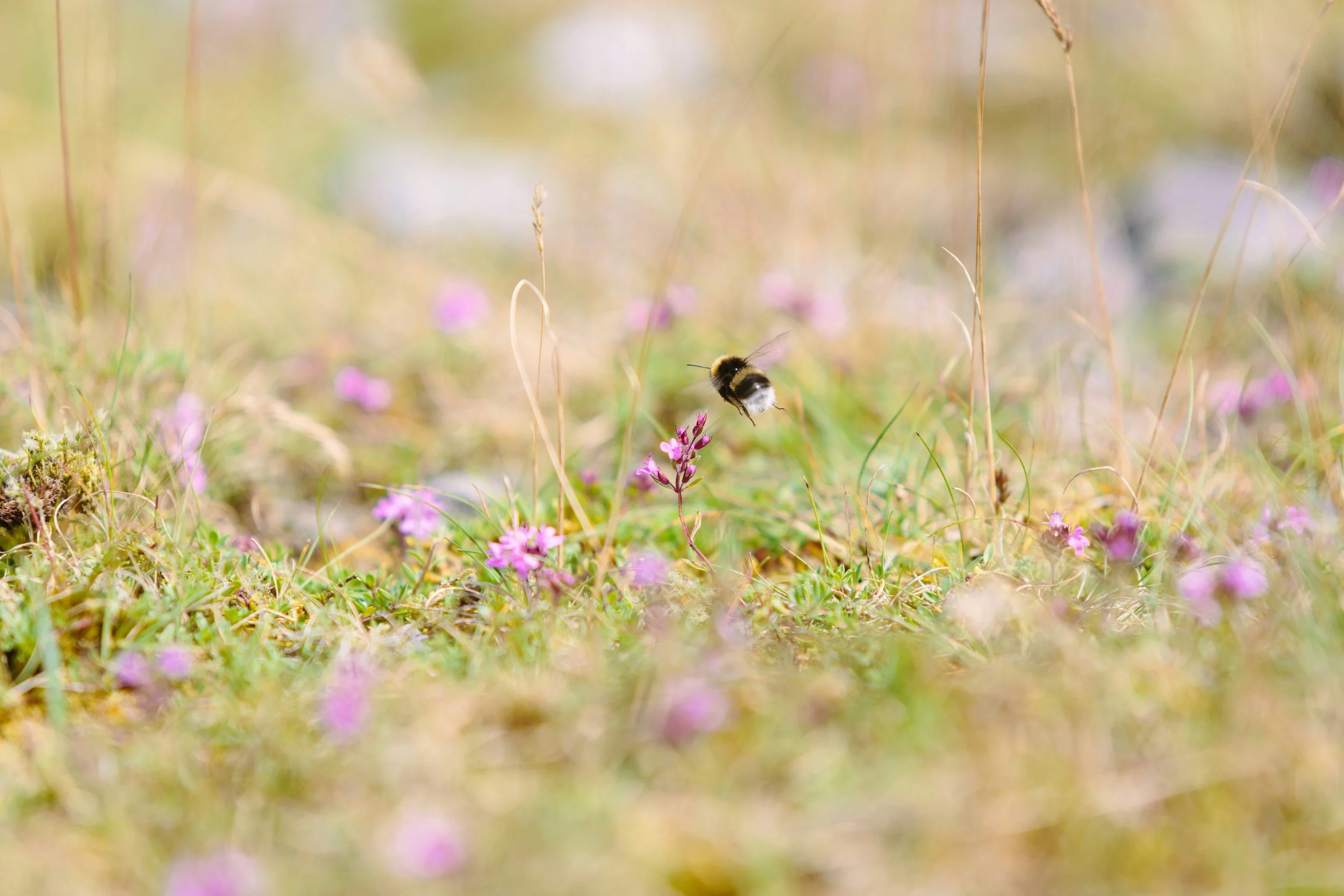
Photo by Mike Erskine on Unsplash
Measure What Matters,
Not Just What You Can Count
How do we know whether our efforts are making a difference?
Measuring progress doesn't necessarily require specialist equipment or detailed scientific surveys. Regular observations, simple records and repeatable monitoring can reveal valuable changes over time.
Are more pollinators visiting? Are different species appearing? Have seasonal gaps improved? Are habitats developing as intended?
By measuring what matters, sharing what we learn and adapting our approach, we can move beyond good intentions towards meaningful, evidence-led outcomes.
Building the Conversation
Britain's Pollinator Strategy isn't about one organisation having all the answers.
It's about bringing together farmers, growers, scientists, conservation organisations and practitioners to share knowledge, challenge assumptions and explore what works across Britain's working landscapes.
Different farms, different habitats, different challenges.
One size doesn't fit all.
Through our articles, conversations and shared experiences, we hope to build a growing body of practical, evidence-led knowledge that others can learn from and contribute to.
Have an experience, observation or perspective worth sharing? We'd love to hear from you.