March Apiary & HIIVE Setup Checklist
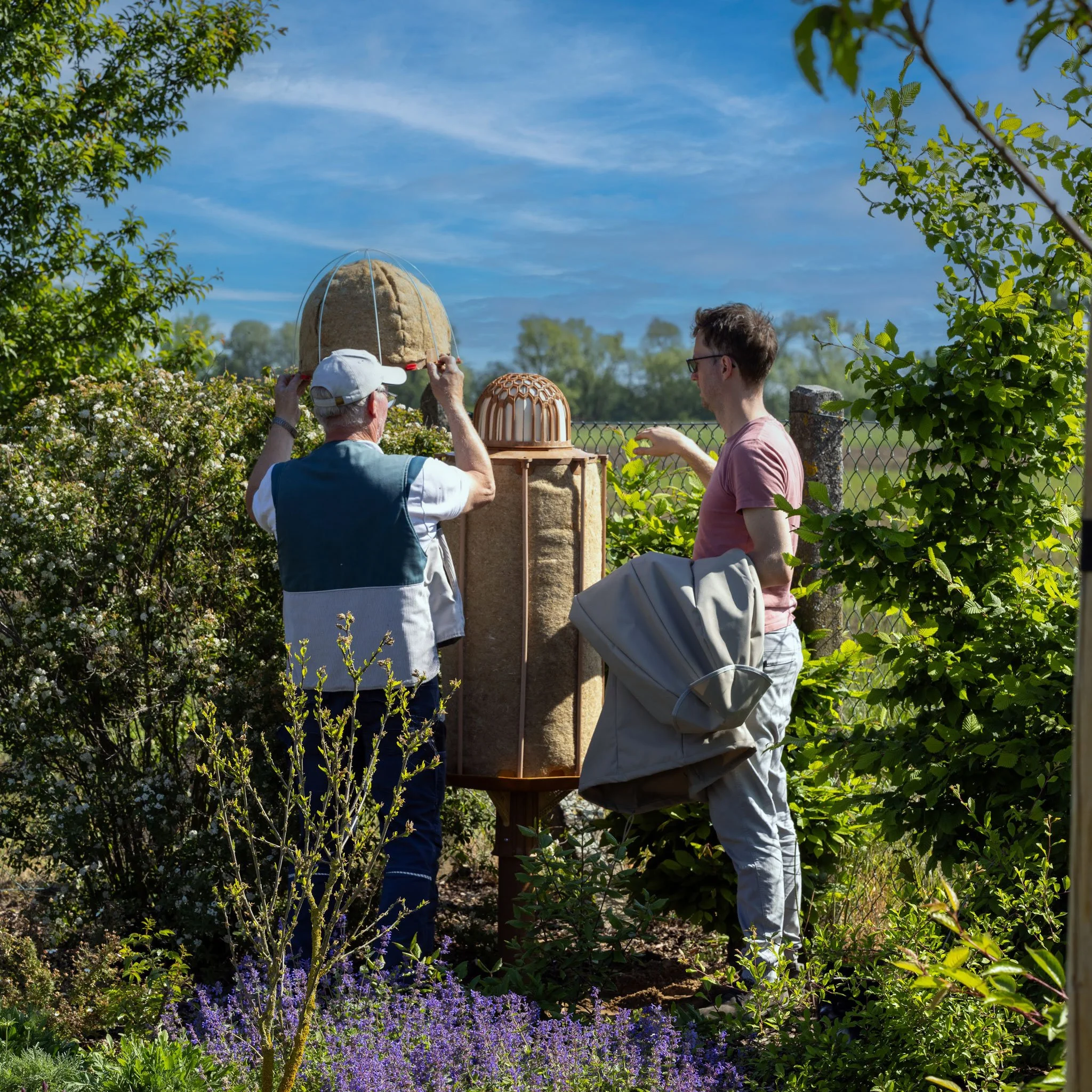
Here’s a practical, farmer-friendly checklist you can use when preparing an apiary in March and setting up a HIIVE, drawing on common UK beekeeping practice and the design principles promoted by hiive.eu. It stays close to the realities of early-season management, when colonies are waking up and conditions are still unpredictable:
Site Preparation
Choose a stable, well-drained location that avoids frost pockets and standing water
Ensure the apiary is sheltered from prevailing winds while still allowing good airflow
Position HIIVEs in a south or south-east facing aspect to maximise early-morning sun, helping bees warm up and fly earlier in the day
Maintain clear flight paths by keeping entrances unobstructed and avoiding high foot/machinery-traffic areas
Check that the ground is level and firm enough to support the HIIVE’s weight once populated
HIIVE Installation
Assemble the HIIVE according to manufacturer guidance, ensuring insulation layers and ventilation channels are correctly aligned
Inspect all components for winter damage or moisture before installation
Secure the HIIVE to prevent movement in high winds. Guy-lines are supplied and should be used
Confirm that the entrance reducer is set appropriately for early spring, when colonies are still small and defensive strength is limited
Colony Placement & Movement
If relocating an existing colony into a HIIVE, plan the move during a cool, calm part of the day to reduce stress
Follow the golden rule of colony movement: less than 3 feet or more than 3 miles
Less than 3 feet: shift gradually over several days
More than 3 miles: move in one go to prevent bees returning to the old site
Allow the colony to settle for 24–48 hours before opening for inspection
Ensure clean water sources are available nearby
Forage Enhancement
Prepare surrounding land by sowing a diverse wildflower mix suited to UK conditions—species such as red clover, knapweed, phacelia, and birdsfoot trefoil boost nectar flow from late spring onward
Sow in March when soil temperatures begin to rise; lightly rake and firm the seedbed for good contact. Consider using Seedballs provided by BIOM beehives (www.biombeehives.co.uk/shop)
Avoid herbicide use near the apiary during establishment
Health & Varroa Management
Conduct an early-season inspection only when temperatures are consistently above 10°C
Check for signs of damp, mould, or isolation starvation
Apply a final Varroa treatment appropriate for pre-brood expansion—March is often the last window before the queen accelerates egg-laying. BIOM beehives provides a complete Varroa treatment package including vaporiser and BLS respirator
Record mite counts and treatment dates for compliance and long-term monitoring
If you’re interested in discussing your pollinator strategy for 2026, we’ll be very happy to visit your operations for an in-depth look at ways we can help. Contact Mike at thebeesknees@biombeehives.co.uk